Pachinko in Japan
Exploring pachinko establishments as entertainment spaces in contemporary Japan
What is Pachinko
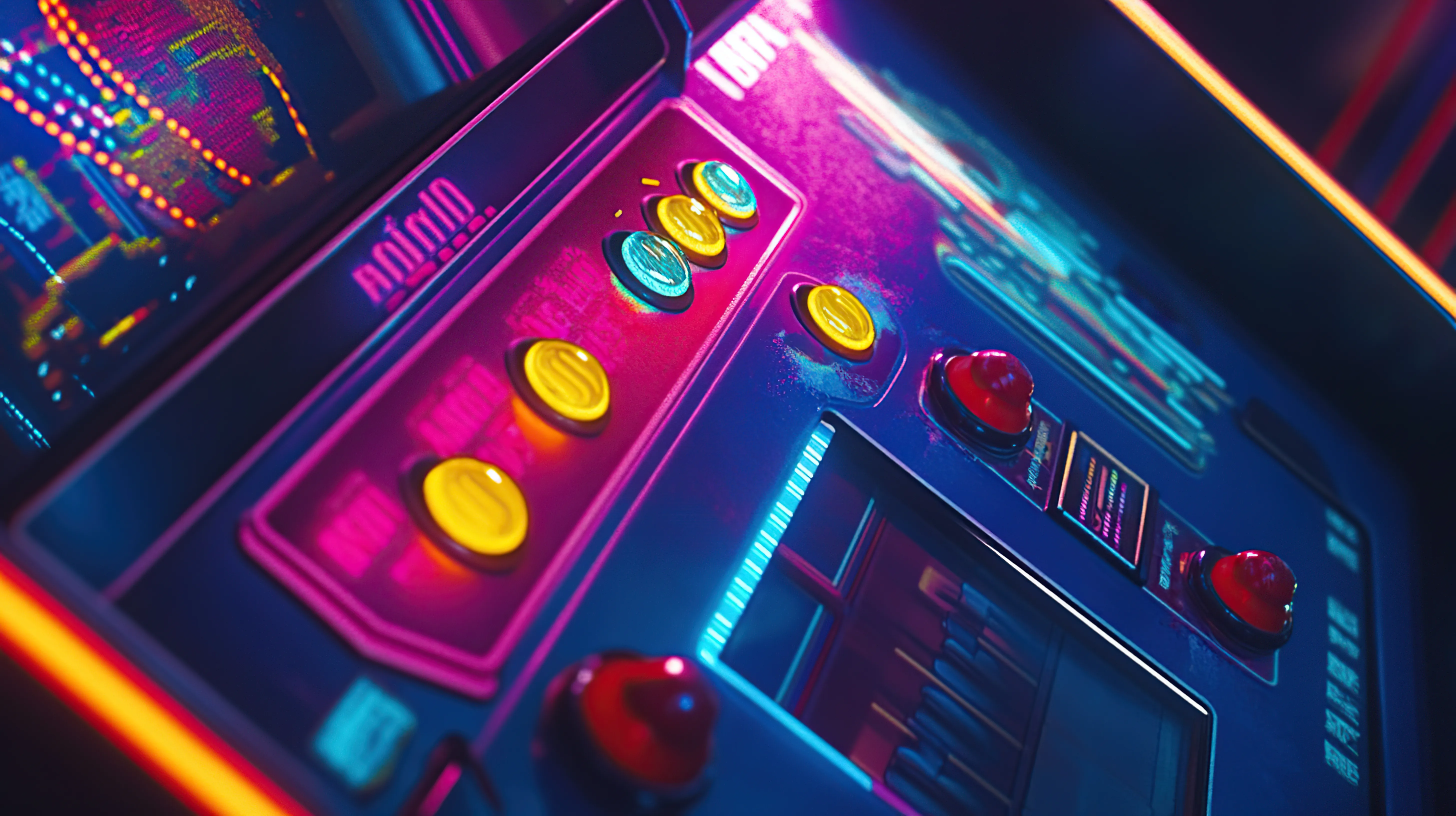
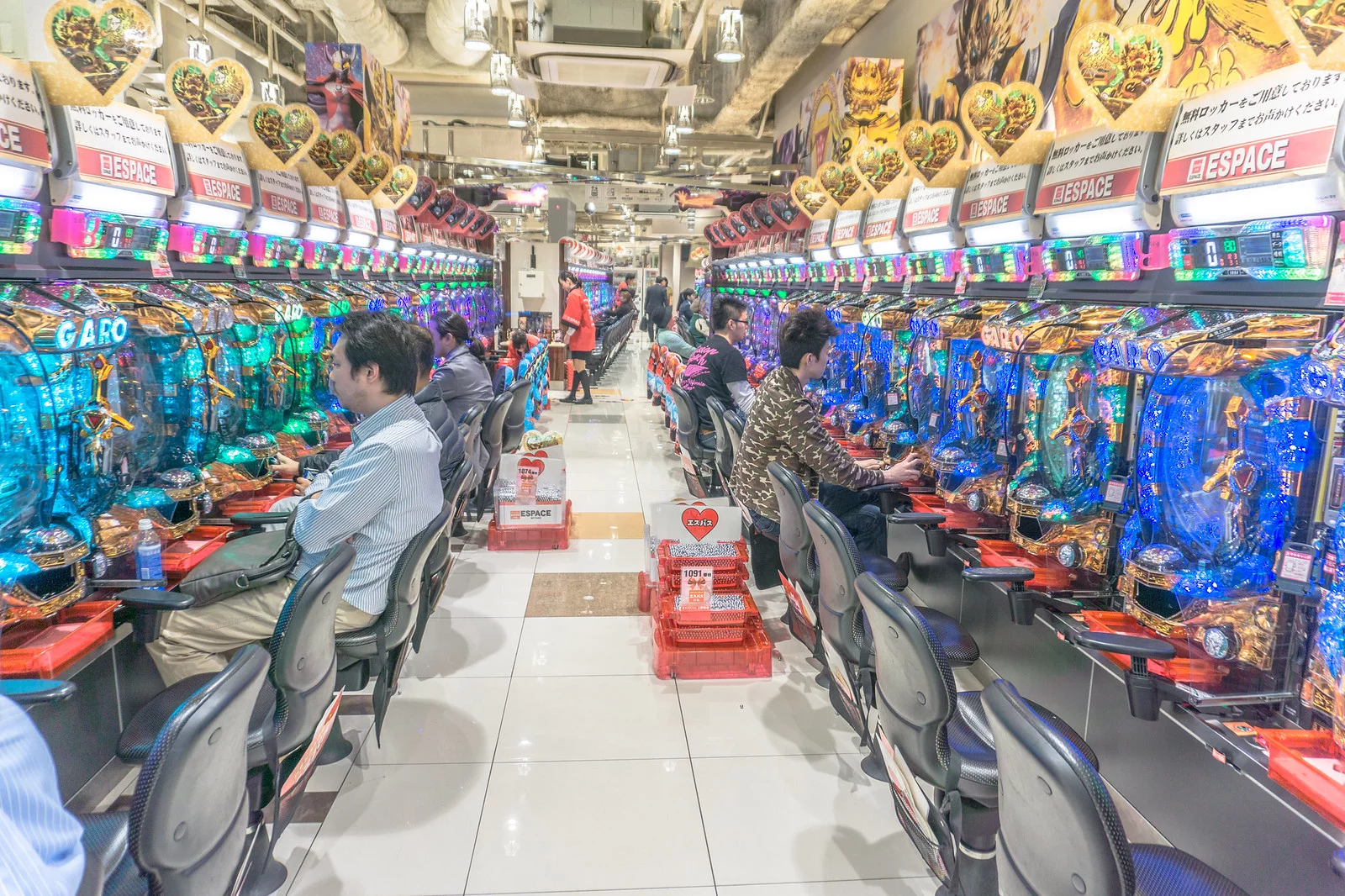
Pachinko constitutes a mechanical gaming activity that serves as a fundamental component of Japan's entertainment culture. The name derives from the characteristic "pachi-pachi" noise generated by the metal balls used in gameplay. These venues house numerous upright pinball-like devices where players launch small metal spheres into peg-filled playing fields, attempting to guide them into specific pockets that trigger various outcomes.
The gaming apparatus embodies intricate mechanical frameworks that combine chance, skill, and visual attractiveness. Modern pachinko machines feature elaborate themes, often drawn from popular culture, animated series, historical periods, or abstract designs. The visual and auditory elements create an immersive environment that distinguishes pachinko establishments from other forms of entertainment.
Origins and Evolution
Pachinko originated in the early 1900s, evolving from children's games and simple mechanical entertainment. The first commercial pachinko venue opened in Nagoya during the 1920s, and the activity gradually became popular throughout Japan. Initially, pachinko machines featured basic mechanical designs, but technological advancements transformed them into sophisticated electronic systems while maintaining their core mechanical principles.
The post-World War II era saw pachinko's rapid expansion as Japan rebuilt its economy and urban infrastructure. Pachinko establishments became common sights in commercial districts, offering entertainment that was readily available to various demographic groups. The industry continued to evolve, incorporating digital displays, complex gameplay mechanics, and varied themes while maintaining the fundamental mechanical interaction that defines the pastime.
Today, pachinko venues represent a unique blend of traditional mechanical entertainment and contemporary technological features, reflecting broader patterns in Japanese society's attitude toward leisure, advancement, and social spaces.
Pachinko as Part of Japanese Leisure Culture
Pachinko establishments serve as social spaces within Japan's urban environment, performing multiple roles beyond simple entertainment. They provide a form of leisure activity that is welcoming, widely available, and integrated into daily urban life. These venues typically operate for extended hours, making them viable choices for people with different schedules.
The social dimension of pachinko carries significant weight. While players engage with the machines individually, the shared setting creates a communal atmosphere. Regular visitors often develop attachments to specific establishments and their surroundings. The activity serves as a means of relaxation, a way to spend time, and a channel for engaging with mechanical equipment in a structured setting.
Pachinko's role in Japanese society demonstrates broader ideas of mechanical precision, attention to detail, and the integration of technology into everyday life. The machines themselves showcase craftsmanship and technical skill, while the venues demonstrate how commercial facilities can serve multiple social functions within dense urban environments.
Pachinko in Tokyo
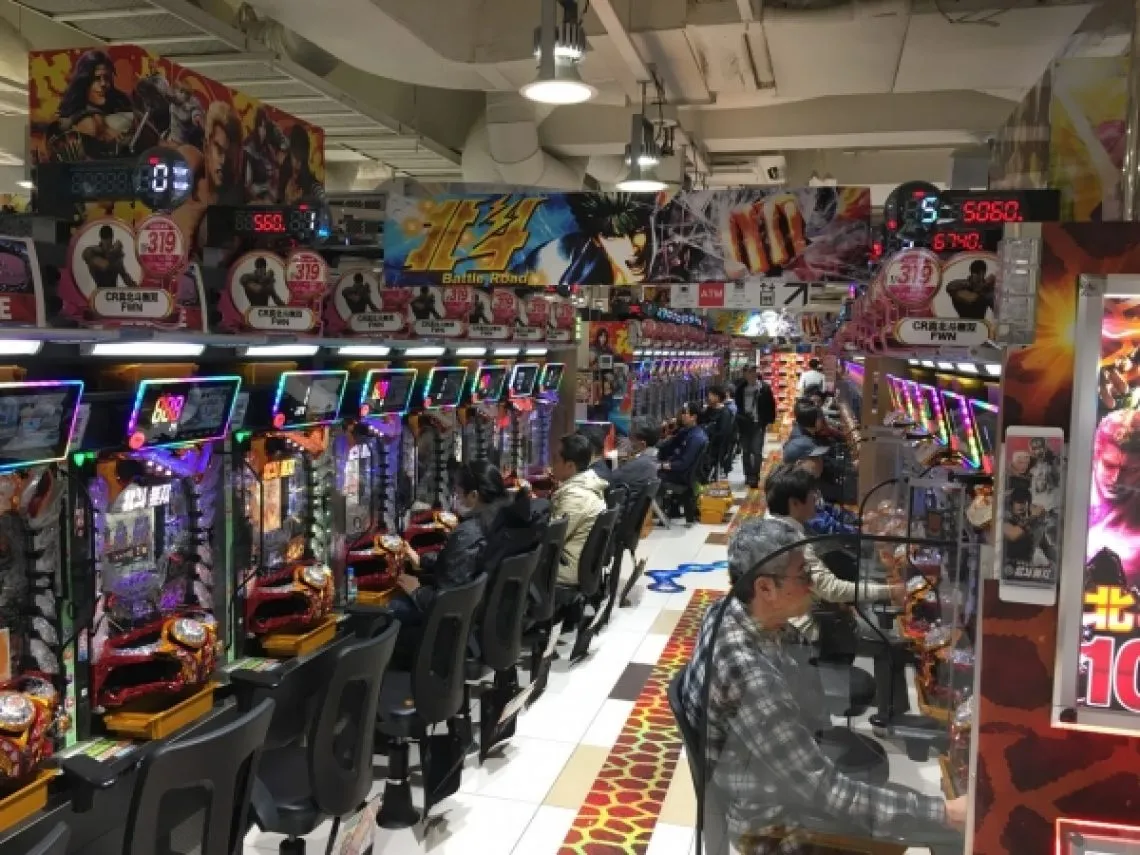
Tokyo's pachinko venues reflect the city's fast-paced rhythm and densely populated urban environment. As Japan's capital and largest city, Tokyo hosts hundreds of pachinko sites distributed across its different districts, each displaying neighborhood-specific characteristics while maintaining the city's overall dynamic atmosphere.
The concentration of pachinko establishments in Tokyo is among the highest in Japan, with venues integrated into nearly every major commercial and entertainment district. This density reflects both Tokyo's large population and pachinko's role within the city's leisure infrastructure.
Shinjuku District
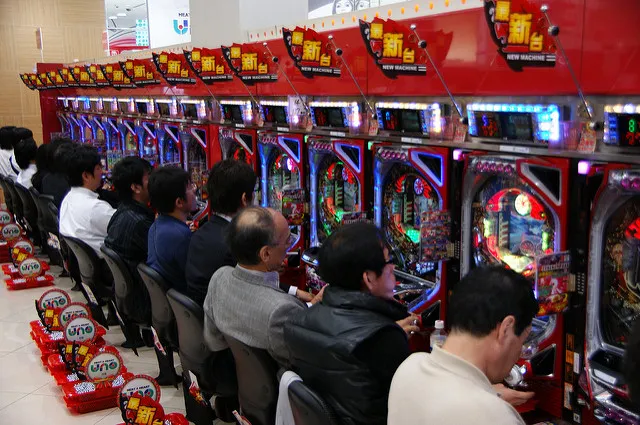
Shinjuku hosts several of Tokyo's most prominent pachinko venues, reflecting the district's status as a major commercial and entertainment hub. The area's pachinko establishments typically comprise modern, vibrant spaces designed to accommodate the neighborhood's constant flow of tourists, shoppers, and entertainment seekers. Shinjuku's pachinko facilities often feature contemporary designs, advanced gaming technology, and efficient layouts optimized for high visitor volume.
The district's proximity to Shinjuku Station, one of the world's busiest transportation hubs, ensures constant foot traffic throughout day and night. Pachinko establishments in Shinjuku serve as elements of the area's comprehensive entertainment ecosystem, operating alongside restaurants, bars, karaoke spots, and other leisure venues.
Akihabara District
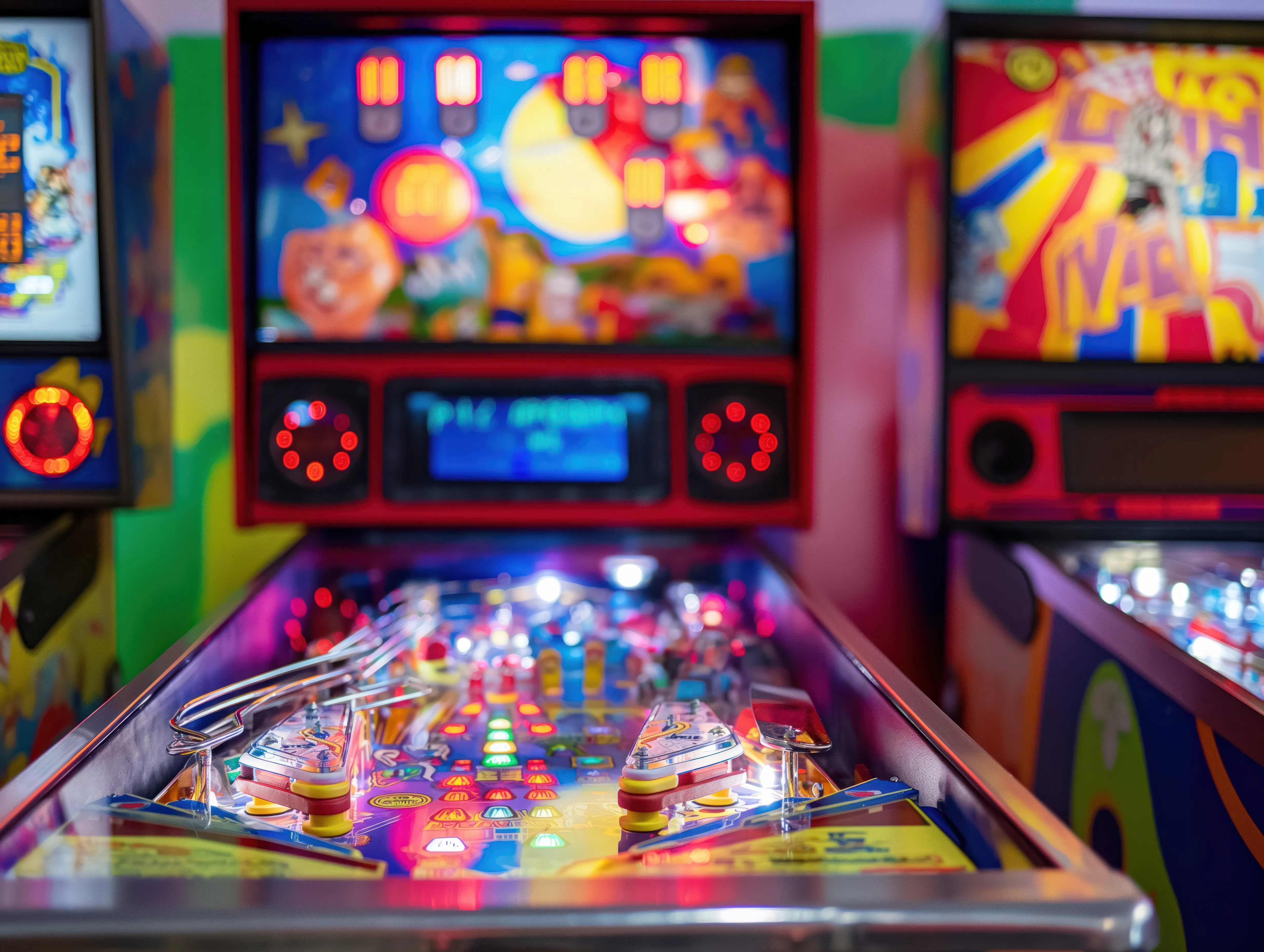
Akihabara's pachinko venues align with the district's tech-centric, youth-oriented character. Known globally as a center for electronics, anime, manga, and gaming culture, Akihabara hosts pachinko establishments that reflect these qualities. The machines often display contemporary pop culture themes, anime-inspired designs, and the latest technological innovations.
The district's pachinko establishments integrate seamlessly with Akihabara's overall atmosphere, where cutting-edge technology meets alternative cultural expressions. Visitors to Akihabara's pachinko venues find spaces that feel aligned with the area's reputation as a center for contemporary Japanese culture and innovation.
Shibuya and Other Districts
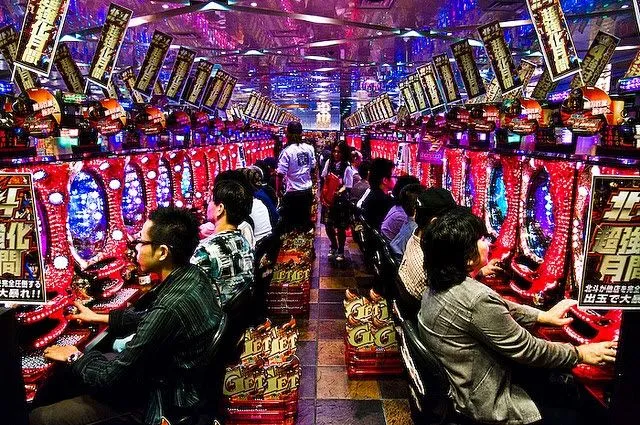
Shibuya's pachinko establishments capture the district's commercial vitality and youthful culture. The area's venues often display modern styling and energetic atmospheres that match Shibuya's reputation as a center for fashion, entertainment, and contemporary urban life.
Other Tokyo districts each offer distinctive pachinko experiences. Ikebukuro hosts venues that serve the area's diverse residential and commercial populations. Ueno's pachinko establishments reflect the neighborhood's more traditional character, blending modern elements with classic design features. Ginza features upscale venues that align with the district's reputation for refined commercial settings.
Throughout Tokyo, pachinko venues function as accessible leisure spaces integrated into the city's dense urban fabric. Their distribution across districts ensures that both residents and visitors can access pachinko establishments regardless of their location within the metropolitan area.
Pachinko in Osaka
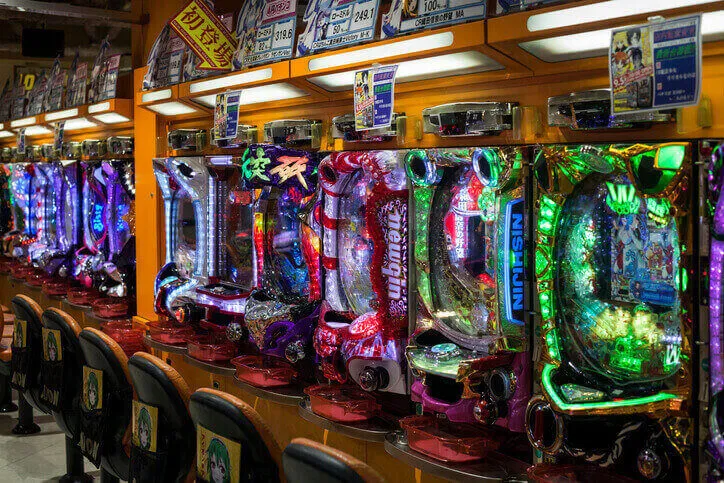
Osaka's pachinko culture reflects the city's distinctive character, often described as more relaxed and hospitable compared to Tokyo's intensity. As Japan's second-largest city and the economic heart of the Kansai region, Osaka houses numerous pachinko venues that embody the city's emphasis on food, commerce, and easily accessible entertainment.
The pace of pachinko venues in Osaka typically feels more subdued compared to Tokyo, suggesting broader differences in regional customs. Osaka's reputation for friendliness, humor, and emphasis on enjoyment influences the management style and appearance of pachinko establishments within the city's commercial landscape.
Namba District
Namba serves as one of Osaka's main commercial and entertainment districts, featuring pachinko venues that blend into the area's extensive leisure infrastructure. The neighborhood's emphasis on culinary culture, shopping, and entertainment creates an environment where pachinko establishments function as one component within a broader recreational experience.
Pachinko venues in Namba reflect the district's balanced approach to commercial operations, prioritizing accessibility and convenience alongside efficiency. The area's pachinko establishments often feature designs that facilitate extended visits, allowing patrons to combine pachinko gameplay with dining, shopping, and other local activities.
The district's accessibility via major transportation hubs ensures steady visitor flow, while the concentration of restaurants and shops enables prolonged stays that integrate pachinko into a full Namba experience.
Shinsekai District
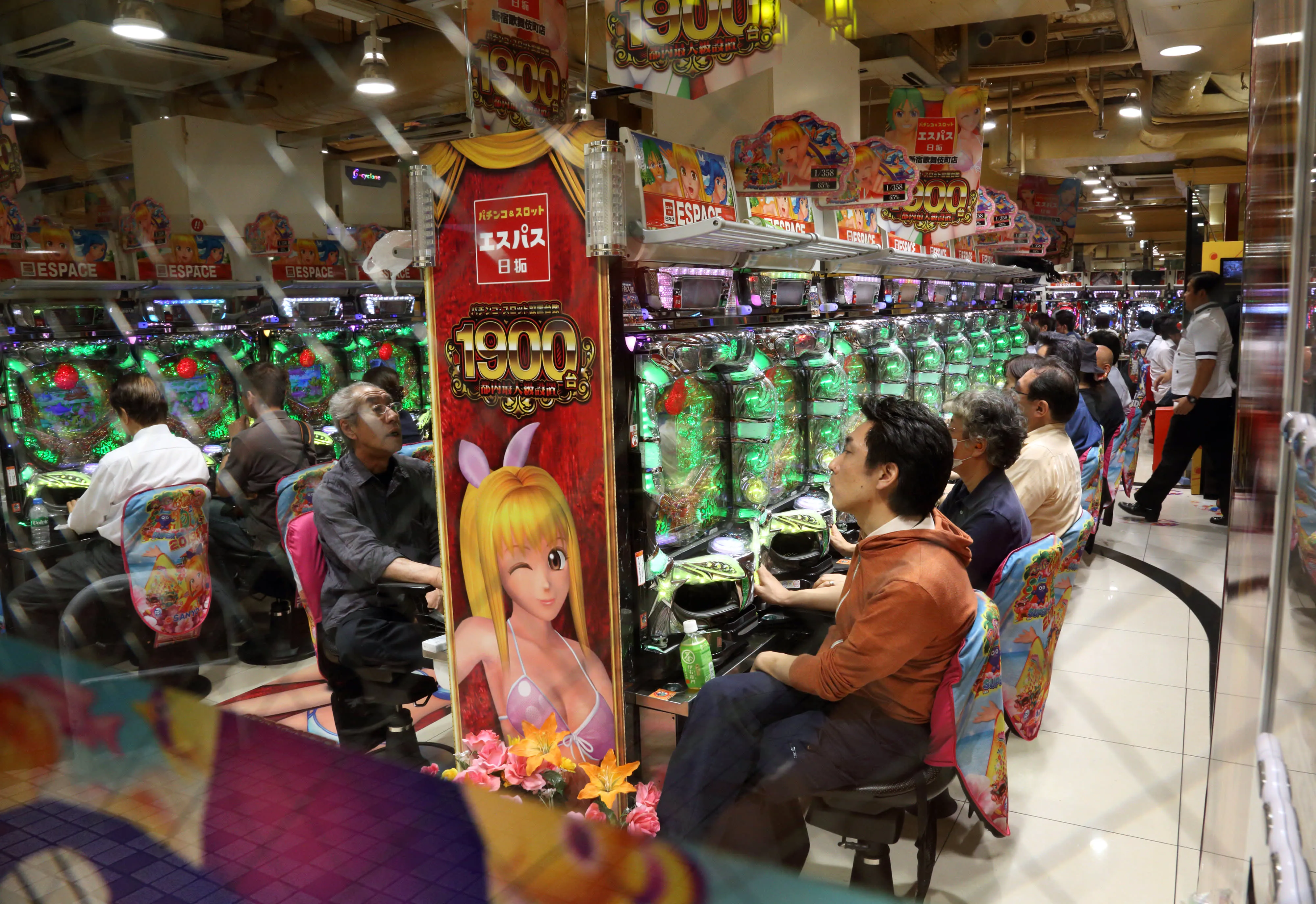
Shinsekai offers one of Osaka's most unique pachinko experiences, capturing the district's nostalgic, retro character. Founded in the early 1900s with ambitious urban planning visions, Shinsekai preserves a special atmosphere that retains elements of Osaka's historical identity.
Pachinko establishments in Shinsekai often emphasize traditional elements rather than contemporary design trends. The district's nostalgic atmosphere influences venue character, creating spaces that feel connected to pachinko's historical development rather than its modern evolution. The pace typically seems more relaxed, with the environment prioritizing atmosphere and cultural connections.
Shinsekai's pachinko venues attract visitors seeking an authentic, traditional Osaka experience. The district's commitment to preserving historical character results in pachinko establishments that function as cultural spaces representing regional heritage while still operating as functional contemporary leisure venues.
Umeda and Other Areas
Umeda, Osaka's northern business center, hosts pachinko venues that reflect the area's role as a corporate and transportation hub. The district's modern commercial developments include pachinko establishments that adhere to contemporary urban architecture while maintaining connections to Osaka's cultural heritage.
Throughout Osaka, pachinko establishments demonstrate the city's approach to leisure activities, which often emphasizes enjoyment, accessibility, and integration into daily life. The city's pachinko culture reflects broader Kansai regional characteristics, including a more relaxed tempo and emphasis on social aspects of commercial spaces.
Osaka's pachinko venues serve diverse demographic groups, from local residents seeking convenient entertainment to tourists exploring the city's commercial and leisure districts. The integration of pachinko establishments into Osaka's urban landscape demonstrates how these facilities function as essential components within the city's entertainment infrastructure.
Urban and Traditional Halls
Pachinko establishments can typically be categorized as urban modern or traditional, though many venues blend elements of both. This classification reflects broader patterns in Japanese urban development and cultural preservation.
Urban modern venues typically feature contemporary architectural design, efficient layouts, and advanced gaming technology. These establishments prioritize clear sightlines, organized arrangements, and modern amenities. They often integrate seamlessly into commercial districts, matching the pace and energy of surrounding urban environments. The atmosphere generally feels vibrant, efficient, and designed to accommodate large visitor volumes.
Traditional establishments maintain more classic design elements and often reflect regional architectural styles. These venues may feature more intimate spaces, conventional materials, and layouts that prioritize atmosphere over efficiency. The pace typically feels more relaxed, with the environment emphasizing connections to regional cultural heritage rather than contemporary urban trends.
Many establishments occupy a middle ground between these categories, combining modern innovations with traditional design elements or adapting classic spaces to meet contemporary needs. This hybrid approach reflects Japan's broader cultural pattern of adopting new technologies while protecting valued traditions.
Atmosphere, Sound, and Pace
The sensory experience in pachinko establishments is distinctive and plays a significant role in their cultural importance. Understanding these elements helps explain the appeal and function of these spaces within Japanese urban life.
Sound plays a crucial role in the pachinko venue experience. The constant "pachi-pachi" of metal balls, combined with machine sound effects, music selections, and ambient noise, creates a unique auditory environment. This soundscape feels both stimulating and, for regular visitors, potentially meditative—a form of background noise that can enhance focus and tranquility. The acoustic atmosphere varies between venues, with some emphasizing quiet, introspective environments while others maintain energetic, high-volume soundscapes.
Visual elements include the machines themselves, with their detailed themes and displays, as well as the overall venue design. Lighting varies from bright and animated to more subdued, depending on the establishment's character. The visual environment is carefully designed to maintain engagement while avoiding overwhelming sensory stimulation.
Pace varies significantly between establishments. Urban venues in busy districts like Tokyo's Shinjuku generally feature fast-paced environments where visitors move efficiently through spaces. Traditional halls, particularly in areas like Osaka's Shinsekai, often maintain a more relaxed, contemplative rhythm. The tempo reflects both the venue's design philosophy and the character of its surrounding neighborhood.
Social structure is subtle but important. While players engage individually with machines, the shared setting creates a form of collective solitude—people present together but focused on personal activities. This social dynamic reflects broader patterns in Japanese urban life, where individual and group experiences coexist within communal spaces.
Integration into Urban Life
Pachinko establishments are widely integrated into Japan's urban infrastructure, serving as accessible leisure spaces within busy commercial districts. Their placement, operating hours, and design reflect their role as everyday destinations rather than special-occasion venues.
These venues typically operate for extended hours, often opening early and closing late, accommodating various schedules and lifestyles. Their accessibility—in terms of location and entry requirements—makes them available to broad demographic groups. The integration into commercial districts means they function alongside restaurants, shops, and other entertainment venues, forming part of the urban leisure ecosystem.
The physical appearance of pachinko venues varies, from prominent multi-story buildings with distinctive signage to more subtle integrations into commercial complexes. Regardless of their visibility, these establishments form a significant component of Japan's commercial and entertainment landscape, representing patterns in urban growth, business development, and cultural attitudes toward leisure activities.
Important Notice
Entry to pachinko establishments in Japan is restricted to individuals aged 18 and older. Those under 18 are not permitted to enter or participate in these venues.
This website is provided exclusively for educational and cultural purposes. It does not promote or encourage gambling activities.