Maruhan Shinsekai
Osaka – Shinsekai
Location and District Context
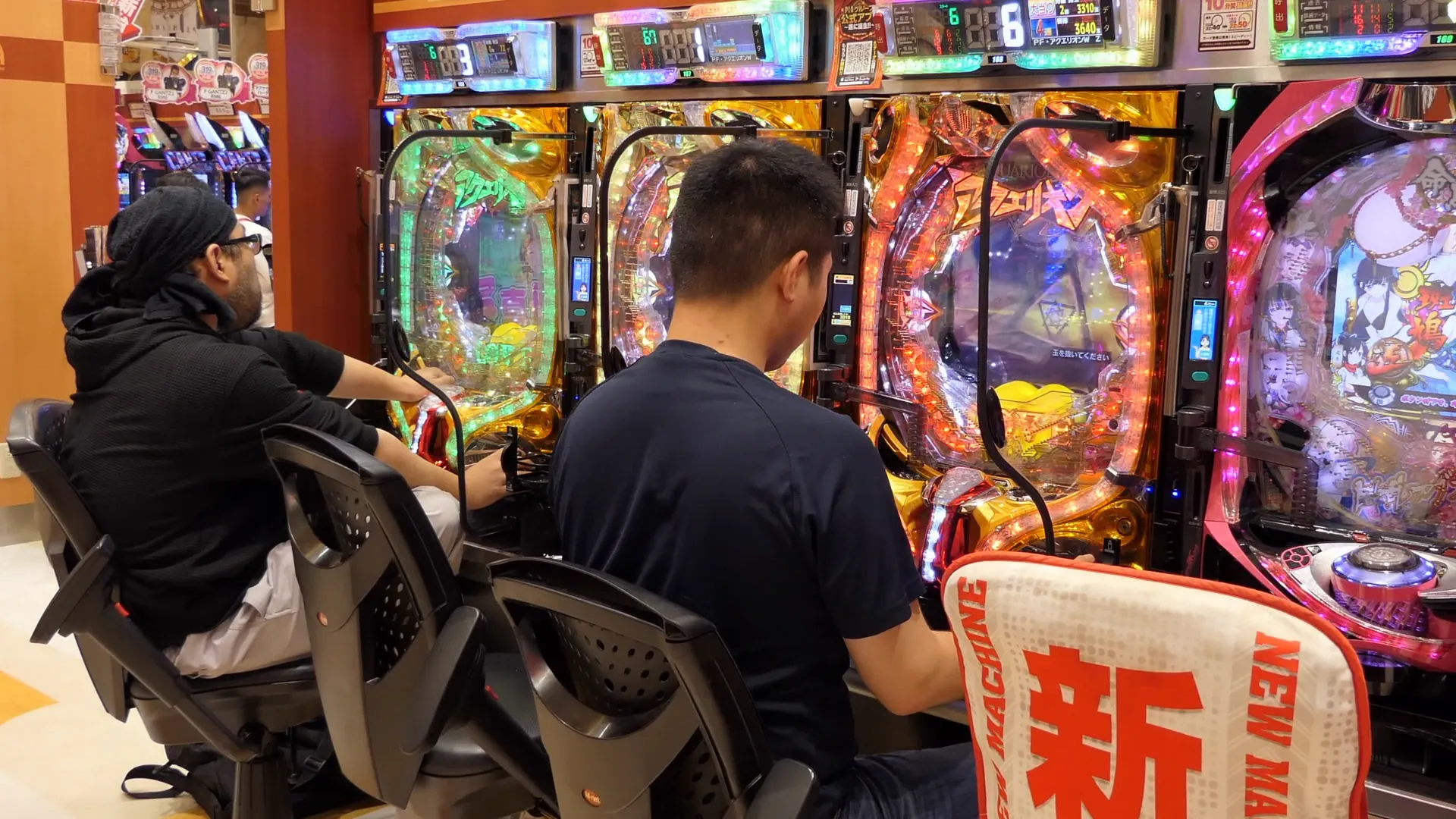
Maruhan Shinsekai is situated in Osaka's Shinsekai neighborhood, a district recognized for its unique nostalgic ambiance and historical identity. Shinsekai, which translates to "New World," was established in the early 1900s with grand urban development plans that incorporated features of Paris and Coney Island. Although the area's original concept was never fully achieved, it cultivated a distinctive character that endures today.
The neighborhood is marked by its retro atmosphere, including older buildings, traditional eateries, and a feeling of connection to Osaka's history. Shinsekai preserves a unique identity within Osaka's broader urban environment, providing a contrast to the city's more contemporary commercial areas. The district draws visitors desiring a genuine, traditional Osaka encounter.
The venue's placement in this historically important neighborhood shapes its personality, resulting in a pachinko hall that embodies Shinsekai's traditional ambiance rather than modern urban styles.
Neighborhood Character
The area around Maruhan Shinsekai captures Shinsekai's nostalgic, vintage personality. The streets display older structures, traditional signage, and an atmosphere that seems detached from modern urban progress. This establishes a unique setting that differs from Osaka's contemporary business districts.
Shinsekai is famous for its traditional eateries, especially those offering kushikatsu (deep-fried skewered foods), which draw both residents and visitors. The district maintains a more relaxed tempo compared to areas like Namba, fostering a more reflective environment. The neighborhood's personality highlights links to Osaka's cultural legacy and regional customs.
The neighborhood's buildings and ambiance generate a feeling of temporal displacement, where visitors encounter a preserved version of Osaka from earlier eras. This character affects how pachinko halls in the district position themselves, prioritizing traditional features over modern aesthetics.
Interior Atmosphere and Layout
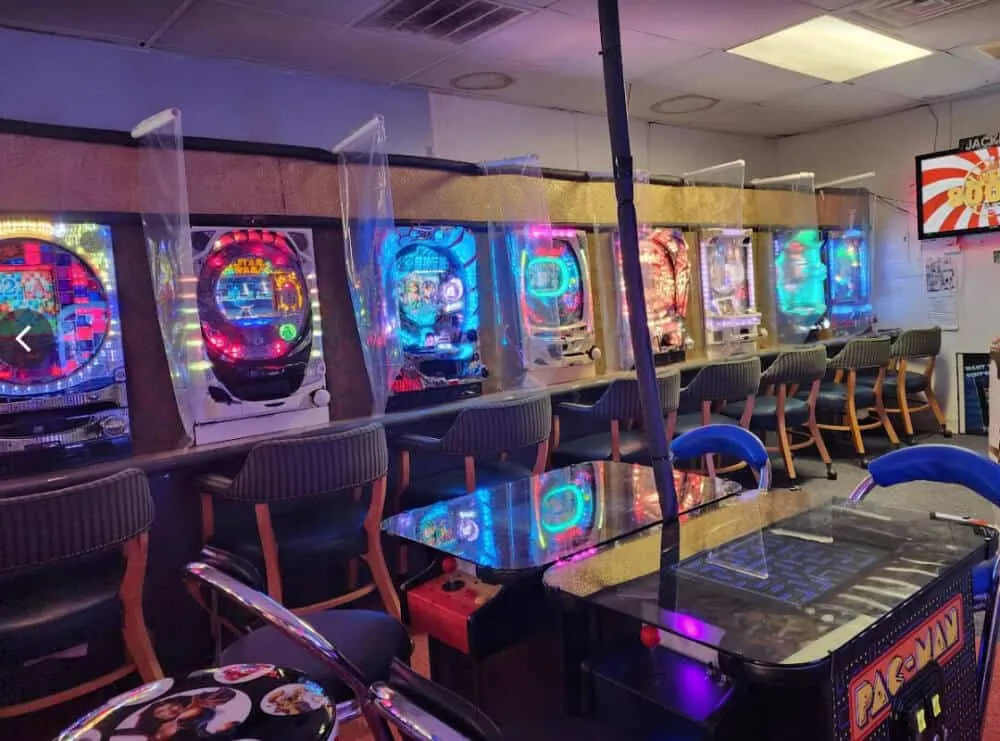
The interior of Maruhan Shinsekai embodies the neighborhood's traditional personality, highlighting conventional pachinko hall features rather than modern design approaches. The arrangement might include more personal areas, traditional materials, and design aspects that link to the venue's historical background.
The ambiance leans toward serene and thoughtful rather than lively, complementing Shinsekai's general tempo. Lighting might be softer, and the spatial arrangement favors atmosphere over productivity. The setting fosters a feeling of connection to pachinko's historical origins rather than its modern progression.
The arrangement supports a more leisurely style of participation, with areas designed for prolonged, reflective visits rather than streamlined high-capacity operation. This method reflects the neighborhood's focus on ambiance and heritage over modern urban productivity.
Pace of Play
The tempo at Maruhan Shinsekai varies from peaceful to measured, mirroring Shinsekai's more laid-back environment compared to Tokyo's intense districts. The venue's design and management facilitate thoughtful interaction rather than rapid activity.
This gentler tempo attracts visitors desiring a more conventional, unhurried pachinko encounter. The setting promotes prolonged stays and thoughtful interaction with machines, establishing a distinct character compared to venues in bustling urban areas.
The serene-to-moderate tempo harmonizes with Shinsekai's general ambiance and the tastes of visitors attracted to the neighborhood's traditional identity. This pace embodies Osaka's unique cultural perspective on leisure pursuits, which frequently prioritizes atmosphere and experience over productivity.
Traditional Character
Maruhan Shinsekai highlights conventional pachinko hall characteristics, maintaining features that link to the pastime's historical evolution. This traditional strategy reflects the neighborhood's focus on cultural legacy and genuine encounters.
Traditional features might encompass classic machine varieties, established arrangements, and operational practices that have endured through time. The venue emphasizes ambiance and cultural linkage over modern fashions, generating an encounter that feels anchored in pachinko's past.
This traditional identity attracts visitors pursuing a genuine pachinko encounter that mirrors the activity's cultural background. The venue shows how pachinko halls can maintain historical aspects while staying operational in the present day.
Typical Visitor Experience
Visitors to Maruhan Shinsekai encounter a venue that values ambiance and heritage over productivity and modern aesthetics. The unhurried tempo and traditional identity establish a setting appropriate for thoughtful, prolonged visits rather than rapid, intense participation.
The encounter embodies Shinsekai's nostalgic personality, providing visitors with a feeling of connection to Osaka's cultural history. The venue operates as part of a wider traditional journey that encompasses the neighborhood's eateries, buildings, and general ambiance.
Visitors attracted to Shinsekai's traditional identity will discover the venue matches their preferences, delivering a pachinko encounter that stresses cultural background and historical ties over modern tendencies.
Integration into Local Urban Life
Maruhan Shinsekai operates as a key element of Shinsekai's traditional identity, enhancing the neighborhood's reputation as a guardian of Osaka's cultural heritage. The venue caters to both local inhabitants who cherish traditional encounters and visitors pursuing genuine Osaka culture.
The venue's traditional identity reinforces Shinsekai's function as a cultural destination, where visitors can encounter elements of Osaka's history and customs. This integration illustrates how pachinko halls can serve as cultural venues that maintain and express local character.
The venue's focus on tradition rather than modern trends reflects wider patterns in how cultural establishments balance conservation with practicality. This strategy guarantees that venues like Maruhan Shinsekai preserve links to cultural legacy while staying approachable and operational.